Aircraft Ramps Versus Aircraft Steps: What to Choose and Why

The choice between aircraft ramps and aircraft steps affects every aspect of airport operations, from passenger safety to operational costs. Both solutions serve airports worldwide, but understanding their differences in safety, accessibility, and efficiency is crucial for making the right decision. The optimal choice depends on your airport type, aircraft fleet, and passenger needs – particularly when considering people with restricted mobility.

Get in Touch

If you’d like to find out more about our passenger boarding ramps please call or complete the form below and a member of our team will get back to you. (UK) +44 (0) 1952 291220 (US) +1 (678) 737-6181

What is the difference between aircraft ramps and aircraft steps?

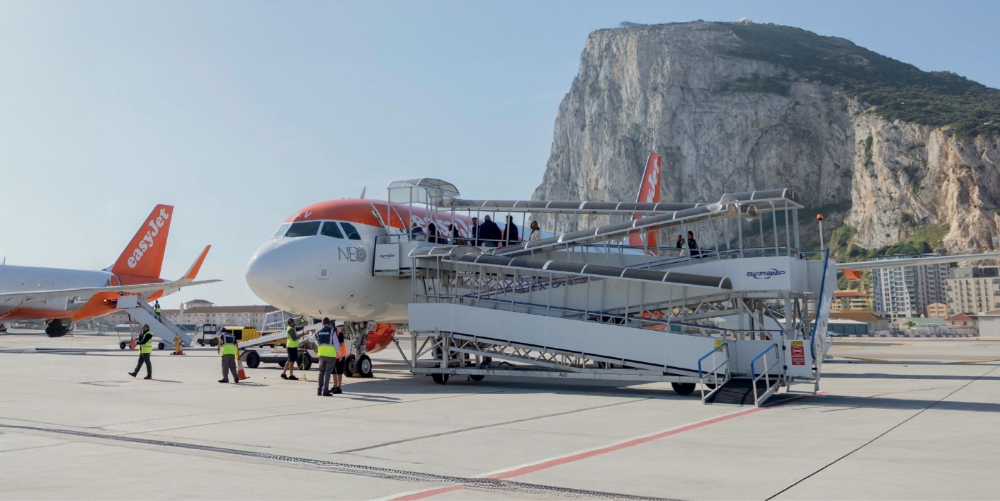
Aircraft ramps and aircraft steps both provide passenger access to aircraft parked on remote stands, but they differ fundamentally in design and capabilities. Aircraft steps, the traditional solution, require passengers to climb stairs to reach the aircraft door. Aircraft ramps, by contrast, provide a gentle, step-free inclined pathway that allows all passengers – including people with reduced mobility (PRMs) – to board safely and comfortably.

Hervey Bay Aviramp Continental 5
aircraft-boarding-steps

Both solutions are portable and can be positioned at aircraft doors, but aircraft ramps offer superior accessibility. Traditional aircraft steps require separate ambulifts for wheelchair users and passengers with restricted mobility, creating additional equipment needs and operational complexity. Aircraft ramps integrate wheelchair accessibility directly into the boarding process.

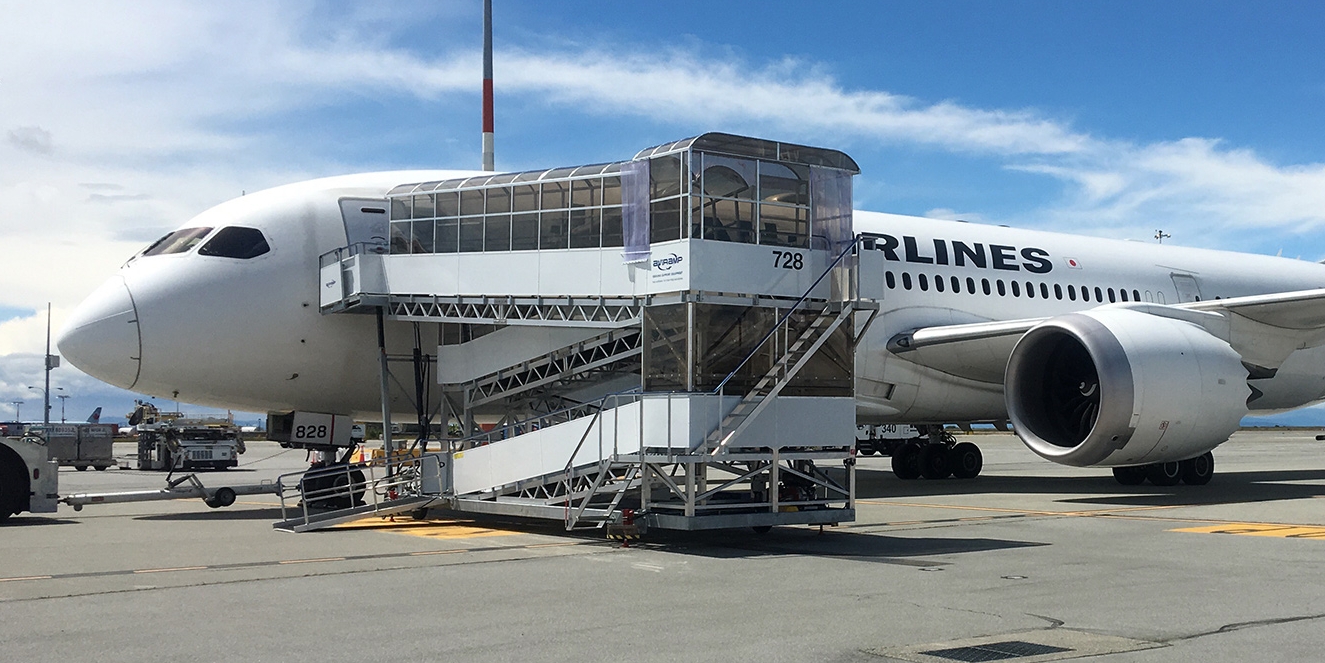
Aircraft ramps are compatible with the same aircraft types as steps, from ultra narrow-body aircraft to wide-body jets including the A380. However, ramps offer better operational efficiency with one-person operation using handheld remote controls, compared to the manual positioning typically required for aircraft steps.

Once in position, Aviramp is ready for boarding or disembarking in just a few seconds ensuring smooth turnaround times and minimal disruption to ground operations.

Which is safer for passengers: ramps or steps?

Aircraft ramps provide significantly enhanced safety compared to aircraft steps. The main difference lies in eliminating the fall risks inherent in climbing stairs. Our aircraft ramps feature patented non-slip surfaces and low-angle designs that dramatically reduce slip and fall incidents.

Boarding Ramps

Aircraft ramps address these safety concerns by providing:

  • Step-free access that eliminates fall risks
  • Non-slip surfaces designed for all weather conditions
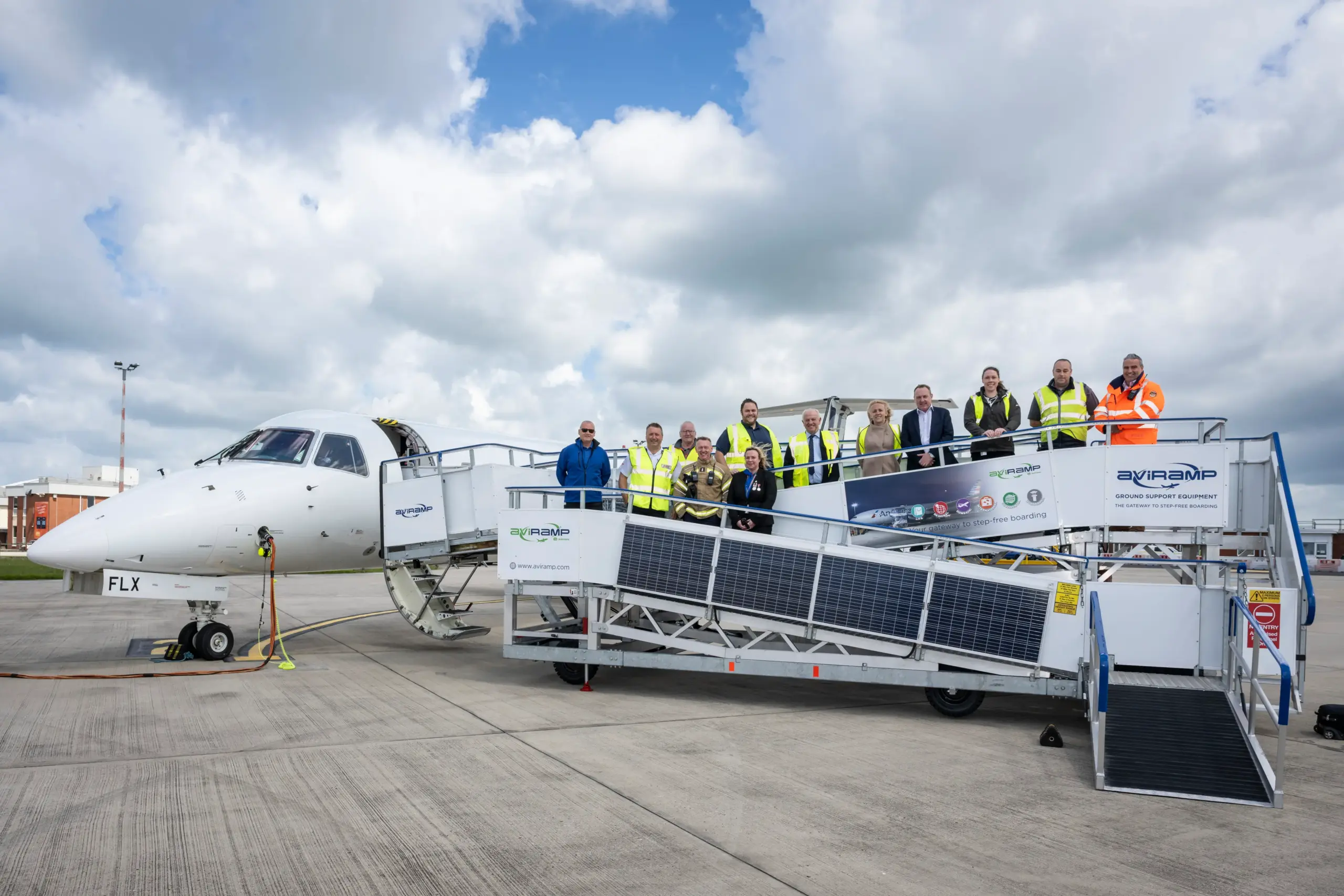
  • Covered boarding environment protecting passengers from weather
  • Safe access for people with restricted mobility without additional equipment

Boarding Steps

Traditional aircraft steps present several safety challenges:

  • Risk of falls when climbing or descending stairs
  • Difficulty for passengers carrying luggage, children or other items
  • Challenges in poor weather conditions
  • Potential injuries from slips on wet or icy steps

Do passengers prefer using aircraft steps or aircraft ramps?

Passenger preference strongly favours aircraft ramps for several practical reasons. The boarding experience with ramps eliminates the physical exertion and safety concerns associated with climbing stairs, offering a smoother, safer, and more inclusive way to board.

The top reasons passengers said they prefered boarding ramps include easier boarding for when carrying luggage, pushing prams, or using mobility aids, as well as greater comfort in all weather conditions. Ramps also provide dignified access for those with restricted mobility, helping to reduce boarding stress and physical strain for everyone.

Aviramp aircraft ramps further elevate the experience by creating a more premium and seamless boarding process. The covered environment and smooth, level access not only improve passenger comfort but also enhance perceptions of the airline’s service quality. With turnaround times up to 30% faster than traditional stair and ambulift systems, Aviramp ramps deliver both operational efficiency and a noticeably better passenger experience.

Home Page Regional Hero Image

Which is more cost-effective: ramps or steps?

The cost-effectiveness comparison between aircraft ramps and aircraft steps involves factors beyond initial purchase price.

Aircraft ramps cost effectiveness

Aircraft ramps offer long-term cost advantages through:

  • Reduced staffing requirements with one-person operation
  • Elimination of separate ambulift equipment and operators for wheelchair users
  • Improved turnaround times and operational efficiency
  • Long-term cost savings through solar power options
  • Extended lifespan with 10-year structural warranties

Aircraft steps cost effectiveness

Traditional aircraft steps may have lower initial purchase costs, but require:

  • Additional equipment (ambulifts) for accessibility compliance
  • Higher staffing requirements for manual operation
  • Ongoing fuel costs for motorised versions

Ready to see Aviramp in action?

Should you choose aircraft ramps or aircraft stairs?

The choice between aircraft ramps and aircraft steps ultimately depends on your operational priorities and passenger needs. Aircraft ramps are an ideal option if you prioritise enhanced passenger safety and accessibility, compliance with evolving disability access regulations, and greater operational efficiency that reduces staffing costs. They also support long-term sustainability through solar power options and deliver a more premium passenger experience.

Key Benefits of Aircraft Ramps

Enhanced
Safety

Patented non-slip surfaces and step-free access eliminate fall risks

Full
Accessibility

Integrated access for people with restricted mobility without additional equipment

Operational Efficiency

One-person operation with remote control reduces staffing needs

Weather
Protection

Covered boarding environment protects passengers in all conditions

Cost
Savings

Solar power options reduce long-term operational costs

Improved Turnaround

Faster boarding and deplaning processes

Regulatory Compliance

IATA AHM 913 compliant with 10-year structural warranty

Sustainability

World’s first fully sustainable solar-powered boarding solutions

Versatility

Compatible with all aircraft types from ultra narrow-body to A380

Flexibility

Can be positioned at any stand

Key Benefits of Aircraft Steps

Compatibility

Compatible with a wide range of aircraft types

Flexibility

Can be positioned at any stand

Final Thoughts

Aviramp aircraft ramps are ideal for airports prioritising passenger safety, accessibility, and long-term operational efficiency. They represent the future of ground support equipment, particularly as the aviation industry increasingly focuses on inclusive travel for people with restricted mobility.

Aircraft steps may suit operations where initial cost is the primary consideration and accessibility requirements are minimal.

The right choice increasingly depends on safety priorities, regulatory compliance, and passenger experience expectations. With 16 per cent of the global population living with some form of disability, the industry trend strongly favours accessible solutions like aircraft ramps.

Aviramp Boarding Ramps

Aviramp is the world’s leading manufacturer of aircraft boarding ramps, transforming passenger safety and accessibility at airports worldwide. Our innovative step-free, low-gradient designs offer a safe and dignified alternative to traditional boarding stairs for aircraft parked on remote stands. Aviramp supplies boarding ramps compatible with all major aircraft types, models, and sizes — ensuring seamless access across every fleet.

Get in Touch

If you’d like to discuss your aircraft boarding requirements, learn more about our ramps or arrange a demo, please get in touch.

Call or complete the form below and a member of our team will get back to you.

(UK) +44 (0) 1952 291220
(US) +1 (678) 737-6181

Frequently Asked Questions

How do ramps and steps handle bad weather conditions (rain, ice, wind)?

Aircraft ramps are specifically engineered for poor weather performance, featuring covered boarding environments and advanced docking seals that keep passengers dry. They include wind-resistant designs with optimised canopy engineering and non-slip surfaces tested in challenging conditions. Aircraft steps typically offer limited weather protection and can become hazardous in wet or icy conditions.

The footprint of the Aviramps vary dependant on model, starting at a stowed length of 735cm for our Lite model and going up to 1280cm for the International model.

Whilst steps can be integrated with jetbridges they are more typically used as a separate mobile unit at a hard stand.  Aviramps can be integrated with, or be a substitute for a jetbridge in most situations.

All Aviramp ramps come with a 10-year structural warranty and require minimal maintenance. We offer an annual service and certification plan to keep your ramp in the best possible working condition.

Aircraft ramps improve turnaround times by up to 30 per cent through more efficient boarding processes and elimination of separate accessibility equipment.

Yes, aircraft ramps are significantly better for people with restricted mobility and wheelchair users. They provide step-free access directly integrated into the boarding process, eliminating the need for separate ambulifts and ensuring dignified boarding for all passengers.

Yes, aircraft ramps dramatically reduce fall risks by eliminating stairs entirely. Their step-free design, combined with patented non-slip surfaces and low-angle approaches, prevents the slip and fall accidents associated with traditional aircraft steps.